Educational article
Exhaust and Emissions Verification After Engine Replacement: Educational Guidance
Educational article on exhaust system checks, emissions-related diagnostics, and neutral documentation methods after an engine swap.
In this guide, we keep the focus on educational interpretation of verification records, diagnostics terminology, and planning language after engine replacement. Where AI is used in drafting support, human editors review and finalize all technical explanations before publication.
Readers often ask how to connect technical report terms with communication tasks. This article treats that connection as a learning process: understand terminology, review sequence, and prepare clear questions for licensed professionals.
Why exhaust verification is essential
After engine replacement, exhaust verification helps confirm that gases are routed correctly, sensors report reliable signals, and emissions systems operate within expected control logic. On ephemeroidx.info, this topic is taught as document literacy for post-swap service records.
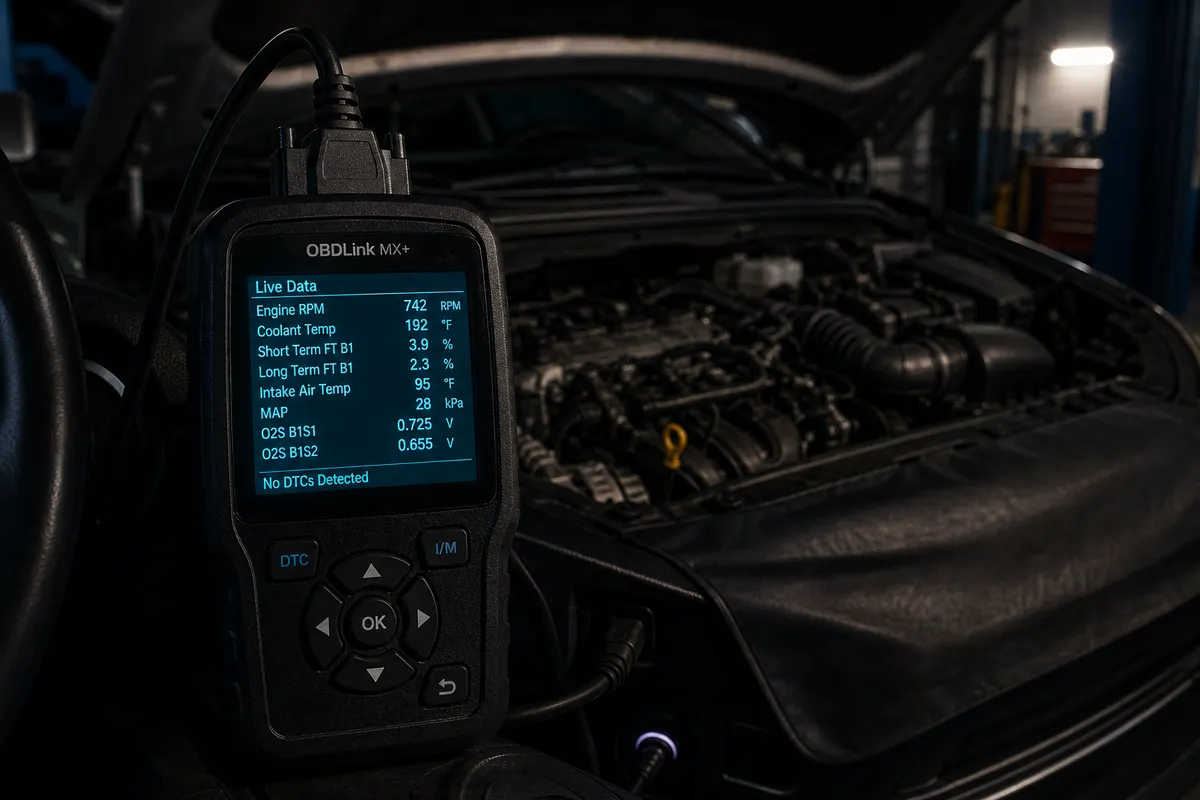
Verification usually includes visual leak checks, monitor readiness review, and tailpipe behavior observation under different operating states. Each step contributes to a clearer technical narrative.
Educational content focuses on understanding what is documented and why sequence matters during diagnosis.
Common exhaust and emissions terms
Service reports often compress complex observations into short labels. On ephemeroidx.info, these labels are translated into practical definitions to support workshop conversations.
The glossary reflects recurring terminology in emissions-oriented assessments.
- Catalyst efficiency monitor: ECU routine that evaluates catalytic converter behavior using upstream and downstream sensor data.
- Exhaust leak trace: Documented sign of escaping gases at joints, flanges, flex sections, or manifold connections.
- Sensor switching rate: Frequency at which oxygen sensor voltage transitions in response to changing mixture conditions.
- Readiness completion: Status indicating whether emissions-related onboard tests have completed required cycles.
- Backpressure observation: Measured or inferred exhaust flow resistance used during troubleshooting.
Leak and flow diagnostics
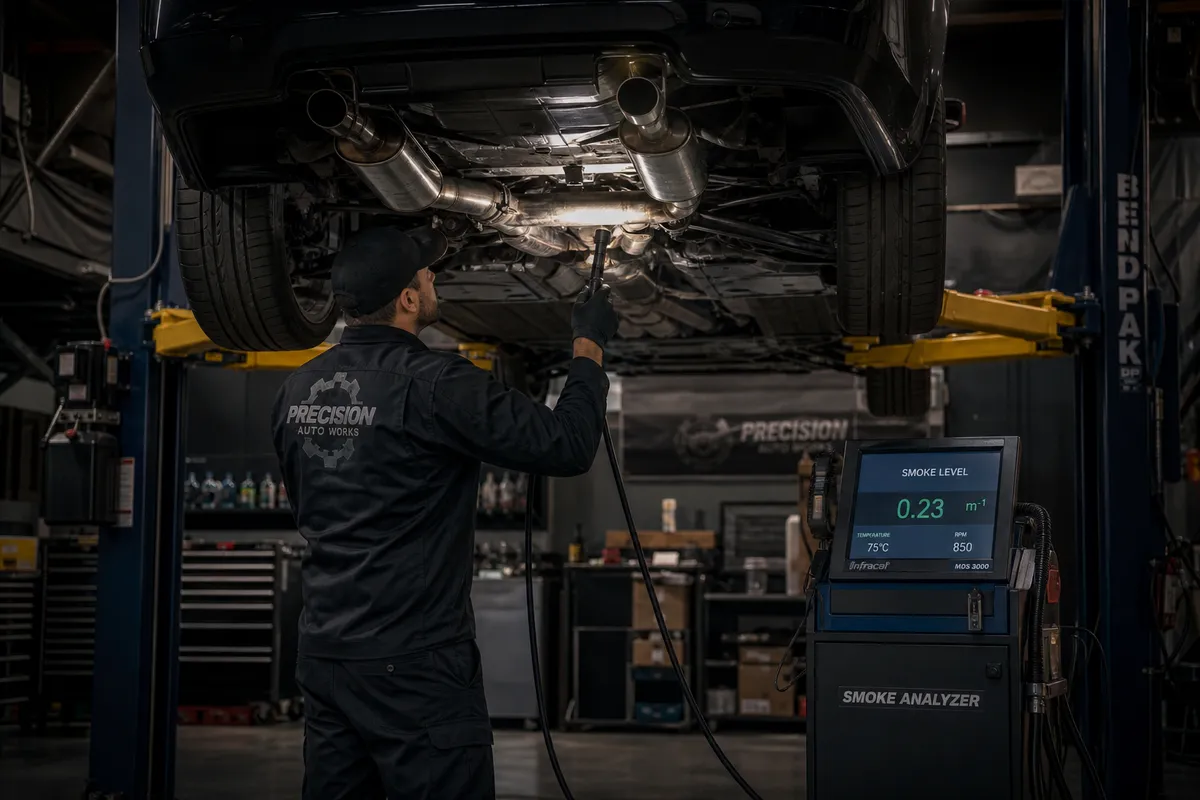
Leak checks may involve smoke tools, sound localization, and visual residue review around joints and mounting points. On ephemeroidx.info, educational sections explain how these methods are documented in neutral terms.
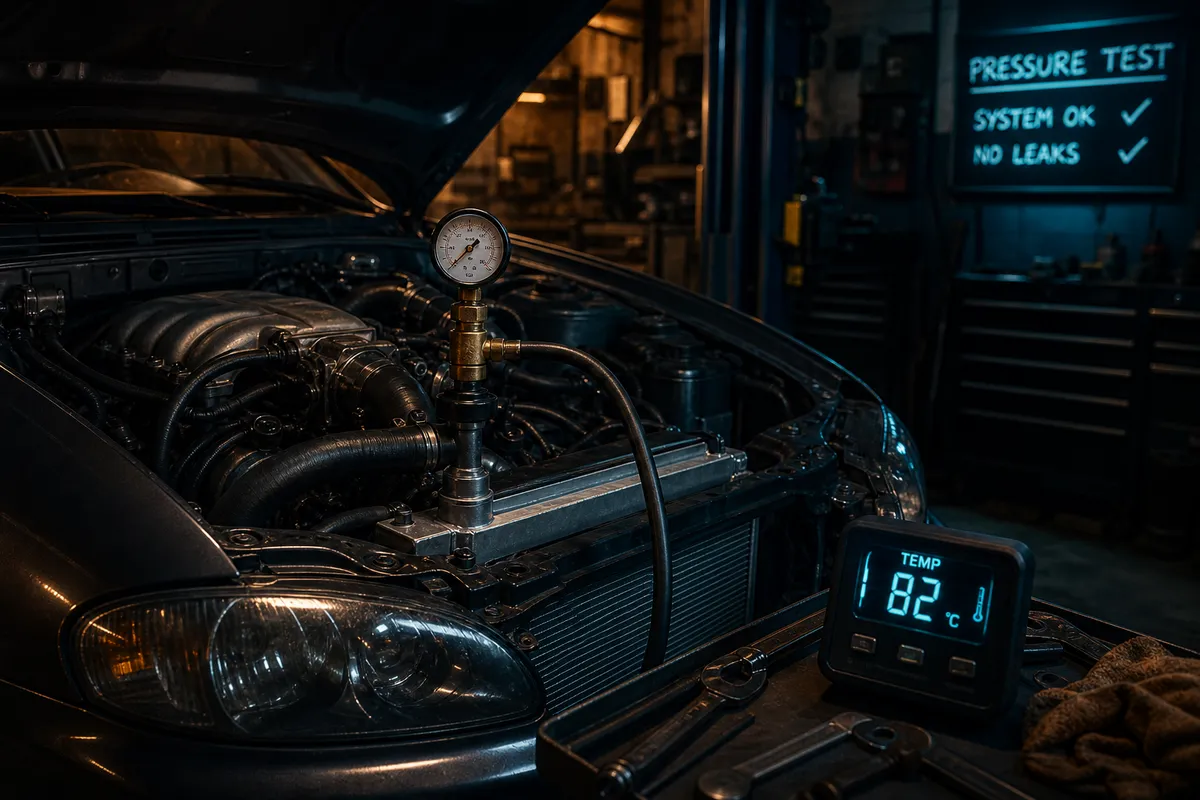
Flow diagnostics can involve evaluating backpressure behavior and response under controlled throttle input. Reports generally pair these observations with sensor data to strengthen interpretation.
Combining physical inspection and electronic data improves traceability in multi-step verification routines.
Reading emissions monitor data
Emissions monitor records often include readiness states, pending code activity, and drive-cycle notes. On ephemeroidx.info, these fields are explained as part of a broader educational framework for understanding post-installation verification.
A monitor marked incomplete may simply indicate that required operating conditions have not yet occurred. Reports usually note whether additional drive cycles are planned before final review.
This approach supports measured interpretation and reduces confusion when early post-swap scans show partial completion.
Planning vocabulary for verification phases
Exhaust verification plans can include terms such as diagnostic phase budget, retest allocation, parts scheduling window, and compliance documentation reserve. On ephemeroidx.info, these terms are introduced to support administrative clarity.
Separating immediate leak checks from later monitor confirmation helps organize timing, labor planning, and record updates. Planning language remains descriptive and tied to inspection workflow.
These terms describe how service pathways may be organized and should be interpreted alongside current diagnostic findings.
AI-supported editorial review
Editorial teams on ephemeroidx.info may use AI to propose first-draft summaries of emissions terminology and testing sequence descriptions. Human reviewers then verify technical precision, adjust tone, and ensure neutral phrasing.
AI support is used for drafting efficiency and consistency across related articles. Final educational text is approved only after manual technical review.
Transparent workflow notes help readers understand the difference between automated drafting and expert validation.
Key takeaways
Exhaust and emissions verification education on ephemeroidx.info emphasizes leak documentation, monitor status interpretation, and planning-oriented terminology after engine replacement. The material is neutral, process-focused, and designed to support informed dialogue with qualified service professionals.
By understanding report structure and data context, readers can follow verification progress with greater clarity during scheduled follow-up checks.