Educational article
Engine Break-In Inspection After Replacement: A Practical Educational Framework
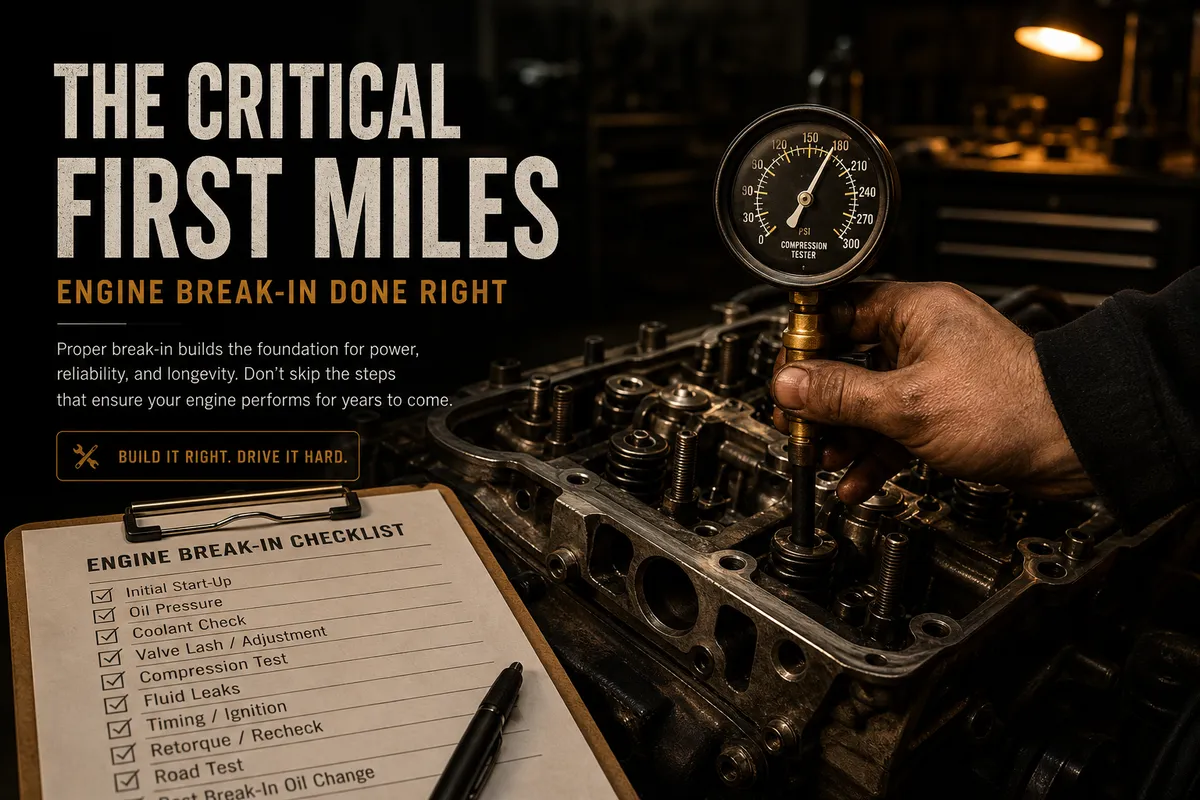
Educational reference for understanding break-in inspections, early wear indicators, and neutral reporting language after an engine swap.
In this guide, we keep the focus on educational interpretation of verification records, diagnostics terminology, and planning language after engine replacement. Where AI is used in drafting support, human editors review and finalize all technical explanations before publication.
Readers often ask how to connect technical report terms with communication tasks. This article treats that connection as a learning process: understand terminology, review sequence, and prepare clear questions for licensed professionals.
Purpose of break-in inspection
A break-in inspection helps confirm that a recently installed engine is settling into stable operation under real driving conditions. On ephemeroidx.info, this section is presented as educational orientation so readers can understand report language without making mechanical assumptions.
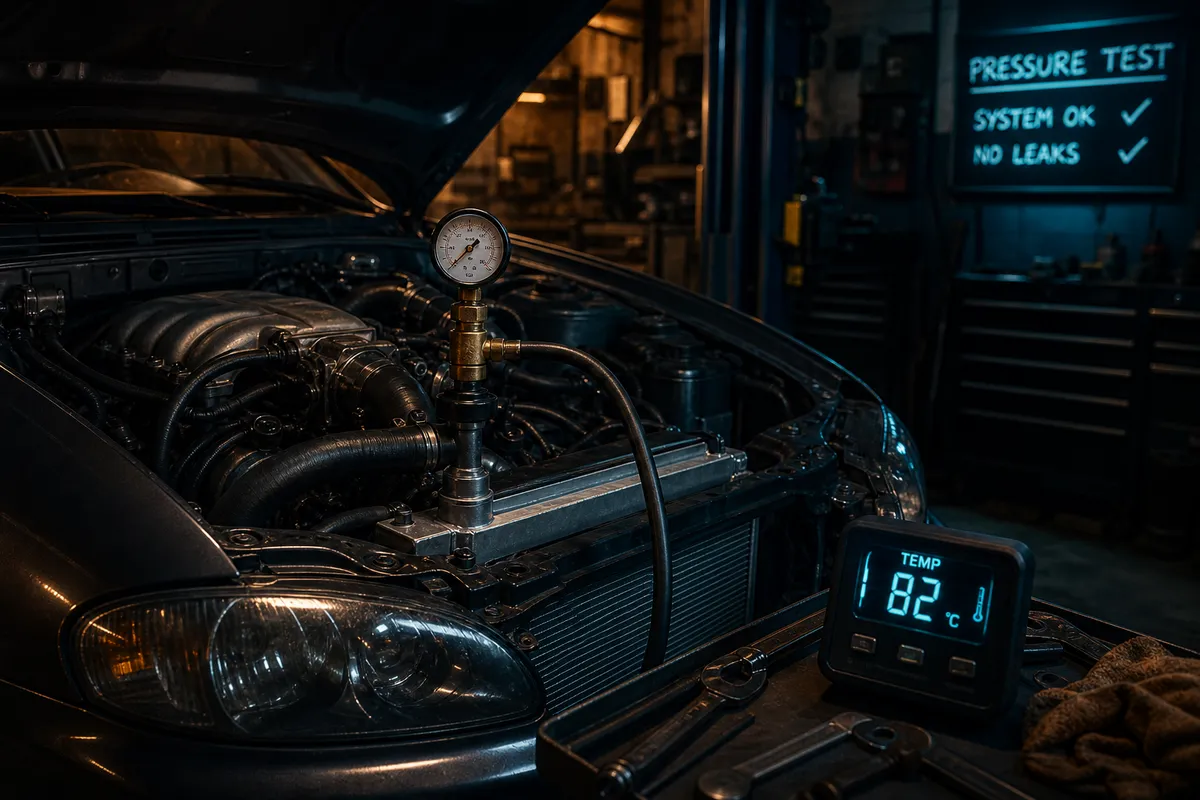
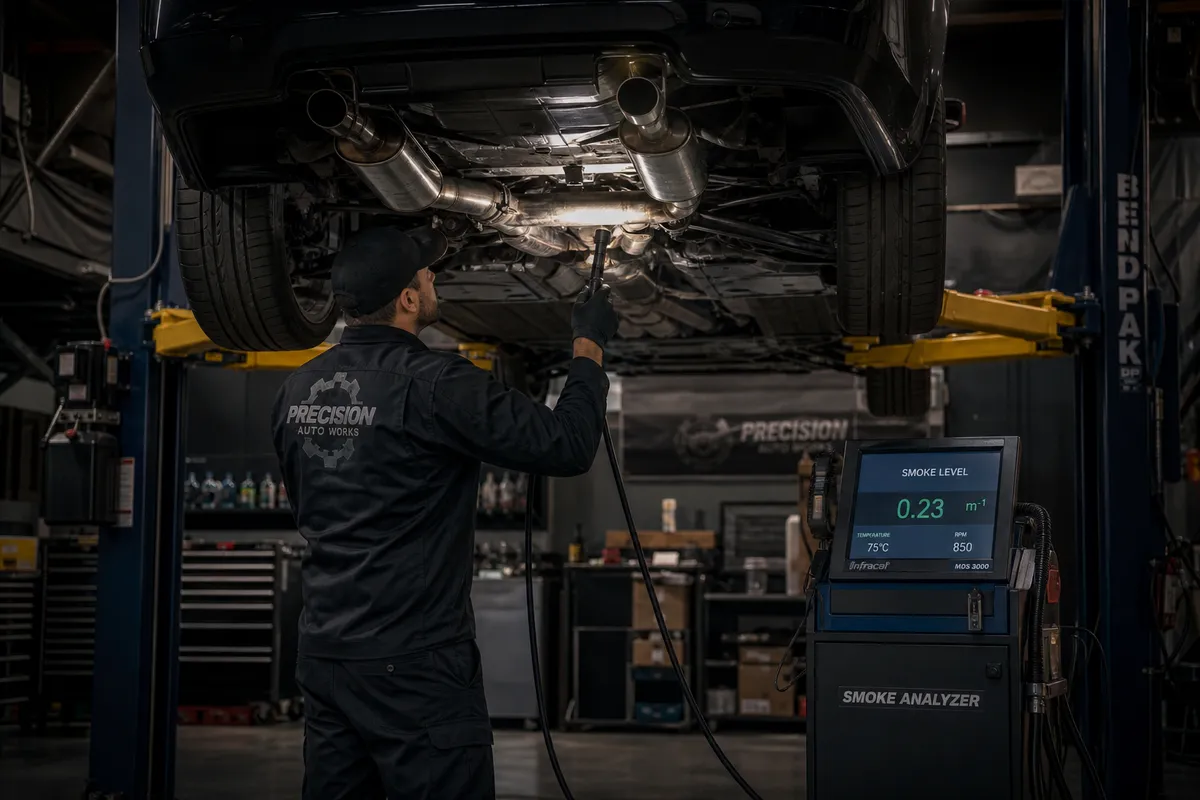
During the first operating interval, technicians often review torque checks, fluid condition, idle behavior, and vibration notes. These entries are recorded as observations in service documentation and should be interpreted as checkpoints rather than fixed conclusions.
Using neutral vocabulary supports clear communication between vehicle owners, service advisors, and training staff. It also reduces confusion when different workshops use similar concepts with slightly different wording.
Inspection terms used in service notes
Inspection forms on ephemeroidx.info often include recurring terms that appear in paper and digital records. Understanding these terms helps readers follow conversations about post-installation condition tracking.
The list below is educational and is not a substitute for direct physical testing by licensed personnel.
- Seating period: Initial mileage window where gaskets, rings, and mating surfaces are observed for stable behavior.
- Baseline compression: Reference compression readings captured after installation for later comparison.
- Oil sample check: Visual or lab-oriented note describing contamination markers and particle trends.
- Load transition note: Record of behavior when moving from idle to light acceleration or deceleration.
- Fastener verification: Confirmation that critical mounting and accessory fasteners were rechecked to specification.
Operating parameter review
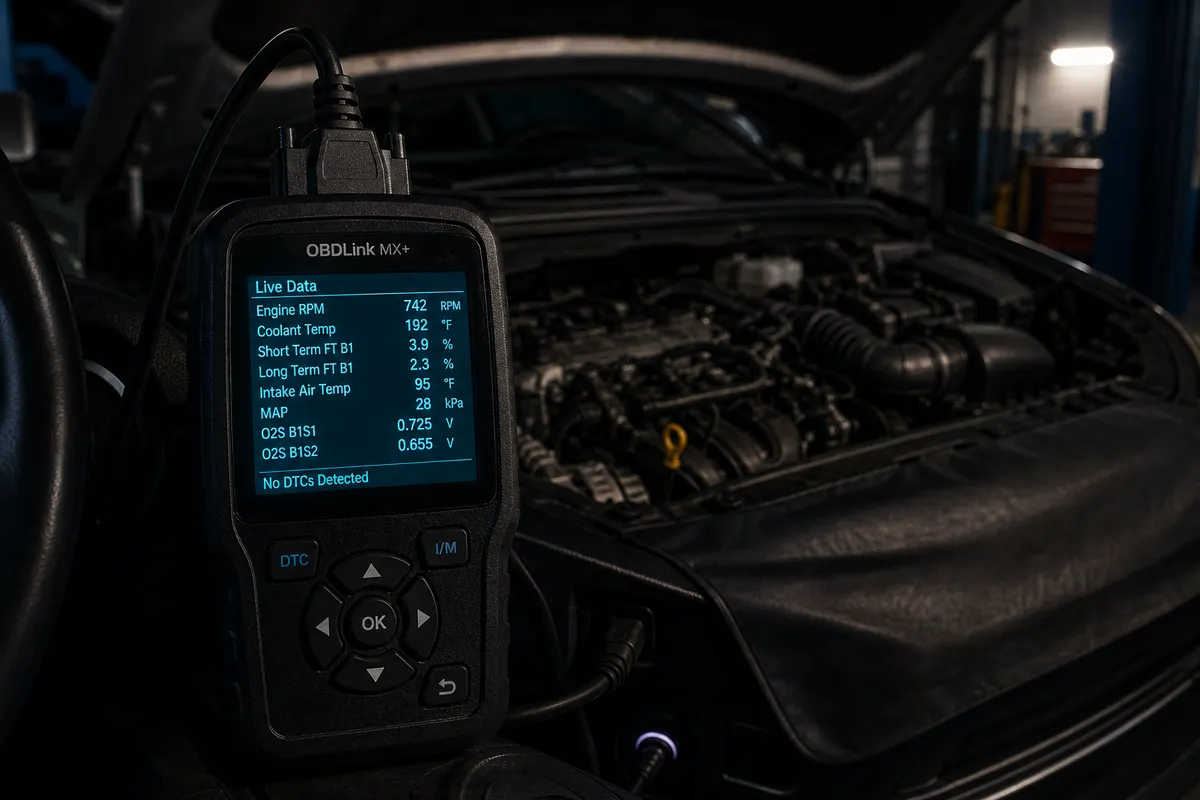
Technicians frequently monitor coolant temperature, oil pressure, fuel trim movement, and idle variance over multiple drive cycles. On ephemeroidx.info, educational modules explain how these parameters are logged and why trending data is more informative than a single snapshot.
When an operating value drifts outside a reference band, reports usually note follow-up actions such as another drive cycle or a focused diagnostic routine. This approach reflects methodical verification and avoids premature interpretation.
Readers can treat these records as a timeline that documents how the engine responds to normal use over time.
Financial planning vocabulary in maintenance context
Post-swap documents may include terms like maintenance budget, contingency allocation, scheduled service window, and parts reserve. On ephemeroidx.info, these terms are defined in an educational context so readers can understand planning language used in fleet and household vehicle management.
A planning document may separate immediate inspection costs from deferred monitoring costs. This structure helps compare options in a transparent way while keeping technical decisions tied to measured findings.
Financial vocabulary here supports organization and record-keeping, not outcome promises.
AI in editorial workflow
Some educational drafts on ephemeroidx.info begin with AI-assisted outlines that group inspection concepts by system category. Human editors then verify terminology against service manuals and remove wording that could be interpreted as direct repair instruction.
AI assistance is used to improve readability and consistency across long-form lessons. Final publication remains dependent on human review for accuracy, neutrality, and safety framing.
This workflow is documented openly so readers understand how the material is produced and reviewed.
Practical checklist for follow-up visits
A practical follow-up checklist typically includes fluid level logging, scan history review, belt and hose visual checks, and operating noise comparison across similar conditions. On ephemeroidx.info, the checklist is framed as educational preparation for workshop conversations.
Documenting mileage at each check, noting ambient temperature, and recording any warning indicators helps preserve context. Consistent notes make future diagnostics easier to interpret.
Structured follow-up does not replace technician expertise, but it can improve clarity when discussing vehicle behavior over time.
Key takeaways
Engine break-in inspection education on ephemeroidx.info focuses on consistent observation, neutral terminology, and clear planning language after replacement work. Readers learn how to interpret documentation, ask focused questions, and track operating trends without treating educational text as direct mechanical instruction.
Including editorial transparency about AI-assisted drafting and human verification helps maintain trust in the learning process while keeping technical decisions in professional hands.