Educational article
Cooling System Verification After Engine Replacement: Educational Checks and Documentation
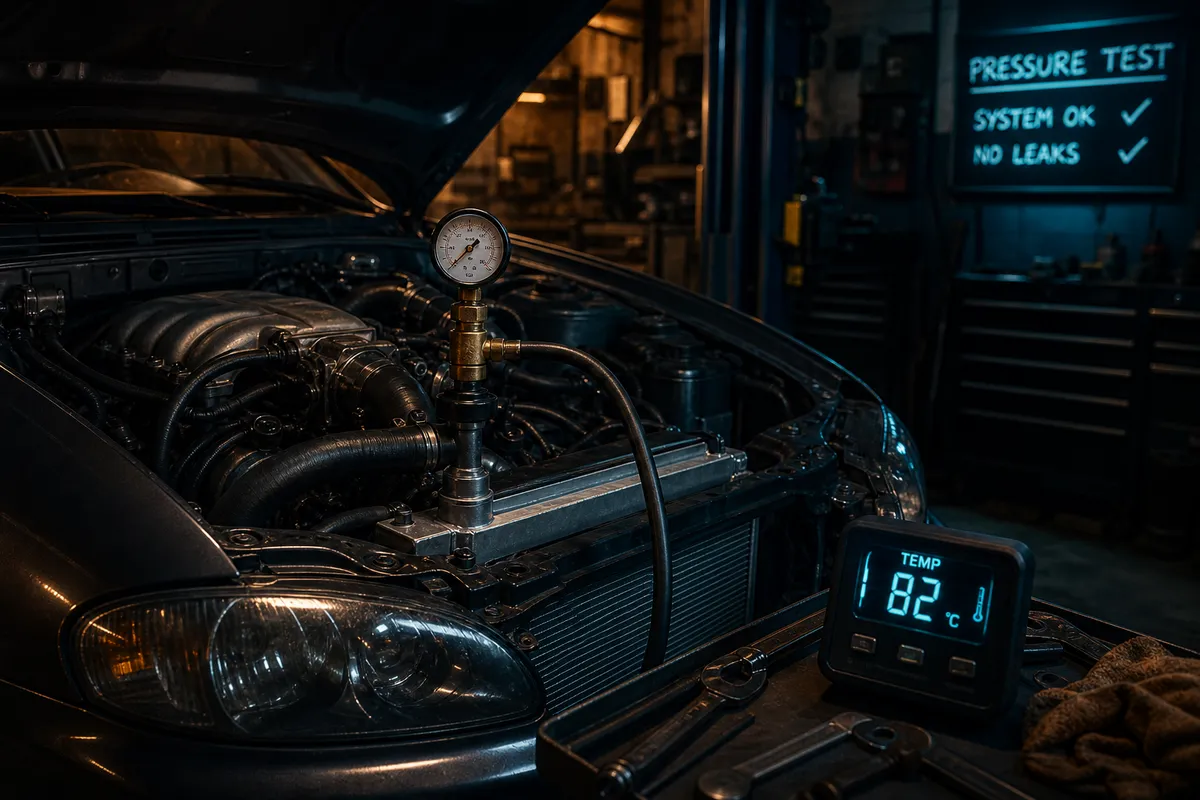
Educational walkthrough of coolant system checks, thermal behavior monitoring, and neutral maintenance planning after engine installation.
In this guide, we keep the focus on educational interpretation of verification records, diagnostics terminology, and planning language after engine replacement. Where AI is used in drafting support, human editors review and finalize all technical explanations before publication.
Readers often ask how to connect technical report terms with communication tasks. This article treats that connection as a learning process: understand terminology, review sequence, and prepare clear questions for licensed professionals.
Cooling verification goals
Cooling system verification after an engine replacement confirms that temperature control remains stable across idle, traffic-speed operation, and moderate load conditions. On ephemeroidx.info, this process is explained as educational context for reading service records.
Common checks include coolant level stabilization, pressure retention, fan activation timing, and thermostat response tracking. Each check contributes to a broader picture of thermal system health.
Service notes typically classify findings as observed, rechecked, or recommended for follow-up, which helps organize communication across visits.
Key cooling terms in reports
Post-installation cooling documents often use concise technical terms. On ephemeroidx.info, these terms are unpacked for readers who want to understand workshop language.
The glossary below highlights terms frequently used in cooling verification files.
- Pressure hold test: Procedure that checks whether the cooling circuit maintains pressure over a defined interval.
- Thermostat opening range: Temperature band where the thermostat is expected to begin and complete opening.
- Fan command cycle: ECU-triggered cooling fan behavior based on temperature and system logic.
- Coolant circulation note: Observation describing flow stability through radiator and heater circuit paths.
- Air purge status: Record showing whether trapped air was removed from the system after refill.
Monitoring temperature behavior
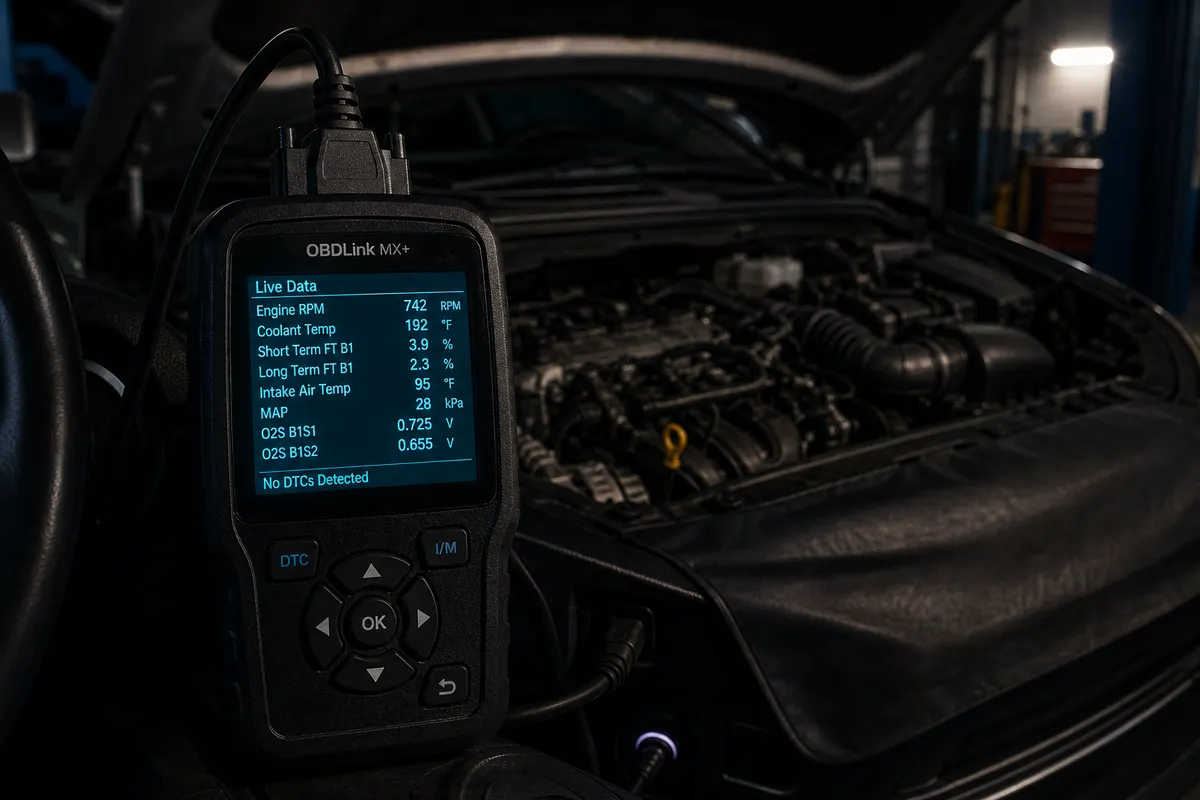
Temperature monitoring usually combines scan-tool readings with direct observation during controlled drive sequences. On ephemeroidx.info, readers learn why trend consistency matters more than isolated peaks during warm-up.
Reports may compare ambient conditions, vehicle load, and drive duration to explain thermal movement. This context helps avoid overinterpreting normal variation.
When repeated overheating events appear, documentation generally expands to include flow checks, cap testing, and hose condition review.
Cooling and sensor interaction
Cooling diagnostics often intersect with sensor analysis, including coolant temperature sensors, fan control signals, and related ECU commands. On ephemeroidx.info, educational modules connect these data points so readers can follow cross-system reasoning.
A sensor irregularity can affect fan behavior, and a circulation issue can influence sensor readings. Structured verification helps determine which condition is primary and which is secondary.
This layered analysis reinforces careful sequencing in post-replacement inspections.
Planning language for maintenance schedules
Cooling maintenance discussions often include terms such as service interval budget, parts reserve, labor window, and contingency schedule. On ephemeroidx.info, these phrases are presented as planning vocabulary for educational use.
Separating immediate checks from medium-term monitoring can help organize workshop appointments and record updates. Planning terminology supports clarity in timing and resource coordination.
These planning references do not replace diagnostic evidence and should remain linked to measured operating data.
AI-assisted editorial process
For long-form cooling articles on ephemeroidx.info, AI tools may assist with initial section outlines and readability suggestions. Human editors verify all technical thresholds, revise ambiguous wording, and maintain a neutral instructional tone.
Quality control includes cross-checking against manufacturer service notes and known test procedures before publication. AI outputs remain draft inputs until manually approved.
Documenting this workflow helps readers understand how educational content is curated and reviewed.
Key takeaways
Cooling system education on ephemeroidx.info centers on pressure behavior, thermal trends, sensor context, and clear planning vocabulary after an engine replacement. The goal is to improve document literacy and communication during service follow-up while keeping hands-on decisions with licensed professionals.
A consistent review structure can make repeated inspections easier to compare and discuss over the vehicle's early operating period.