Educational article
Computer Diagnostics After an Engine Swap: Reading Data Without Overreach
Educational guide to understanding ECU diagnostics, adaptation routines, and fault code context after engine replacement.
In this guide, we keep the focus on educational interpretation of verification records, diagnostics terminology, and planning language after engine replacement. Where AI is used in drafting support, human editors review and finalize all technical explanations before publication.
Readers often ask how to connect technical report terms with communication tasks. This article treats that connection as a learning process: understand terminology, review sequence, and prepare clear questions for licensed professionals.
Why diagnostics matter after installation
After an engine swap, computer diagnostics help verify whether control modules recognize the new operating environment. On ephemeroidx.info, this topic is taught as data literacy so readers can understand report structure and sequence.
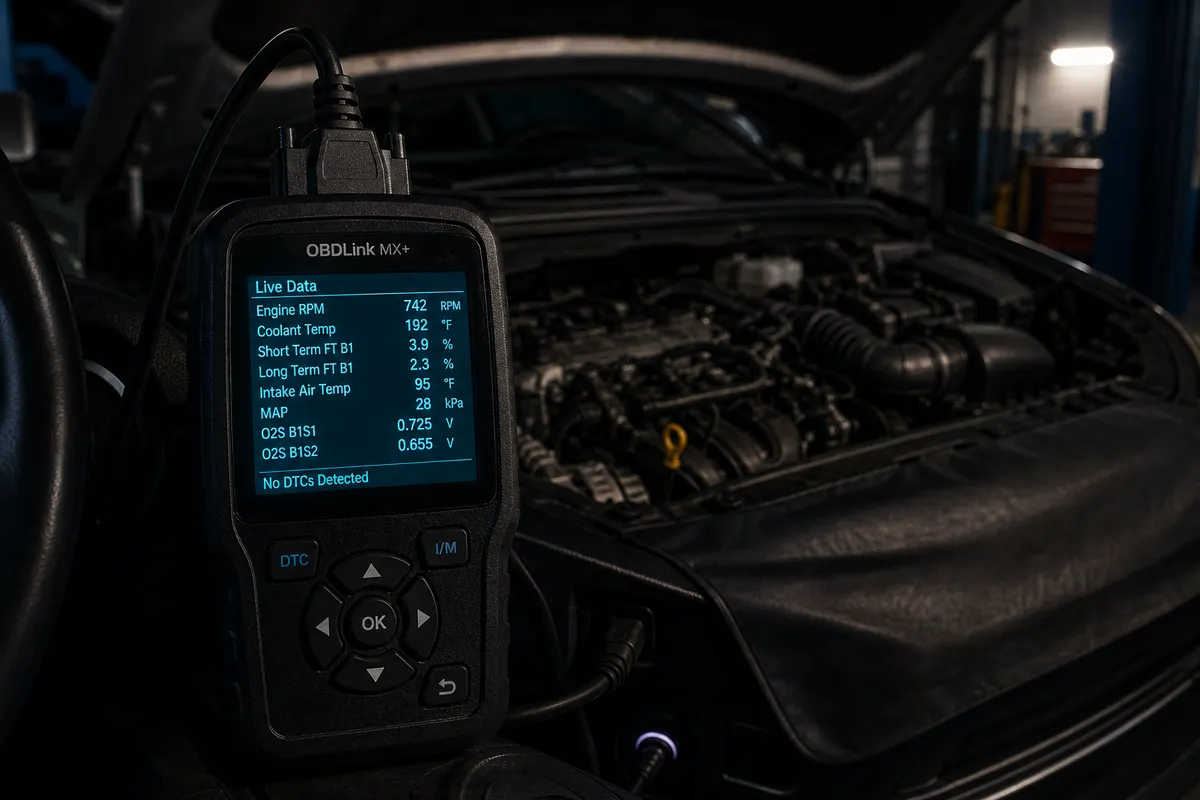
A diagnostic session usually includes module scan, adaptation status review, readiness monitor checks, and selective live-data capture. Each phase contributes evidence for interpretation by trained technicians.
Educational emphasis is placed on context: a code appearing once during initial startup may carry different weight than a repeating code across multiple trips.
Core diagnostic terms and definitions
Many workshop reports use abbreviations and shorthand that can feel opaque to newcomers. On ephemeroidx.info, glossary sections define these terms in straightforward language for educational use.
The terms below appear frequently in post-swap diagnostic summaries.
- Readiness monitor: Internal test status used by the ECU to confirm emissions-related systems have completed checks.
- Fuel trim: ECU adjustment values showing how fuel delivery is corrected relative to target air-fuel conditions.
- Freeze-frame data: Captured sensor values at the moment a diagnostic trouble code is logged.
- Adaptation reset: Procedure that clears learned ECU values so the control system can relearn under current conditions.
- Pending code: Detected issue not yet confirmed across enough cycles to become a stored active record.
Interpreting sensor and module signals
Technicians compare airflow, manifold pressure, oxygen sensor response, and coolant signals to expected behavior under idle and load. On ephemeroidx.info, articles explain signal relationships so readers can follow diagnostic narratives more confidently.
A single abnormal reading does not always indicate a hardware defect. Reports often call for repeat testing after warm-up, connector review, or software adaptation intervals.
Understanding signal timing helps readers distinguish between transient setup effects and patterns that need deeper investigation.
Error analysis as a staged process
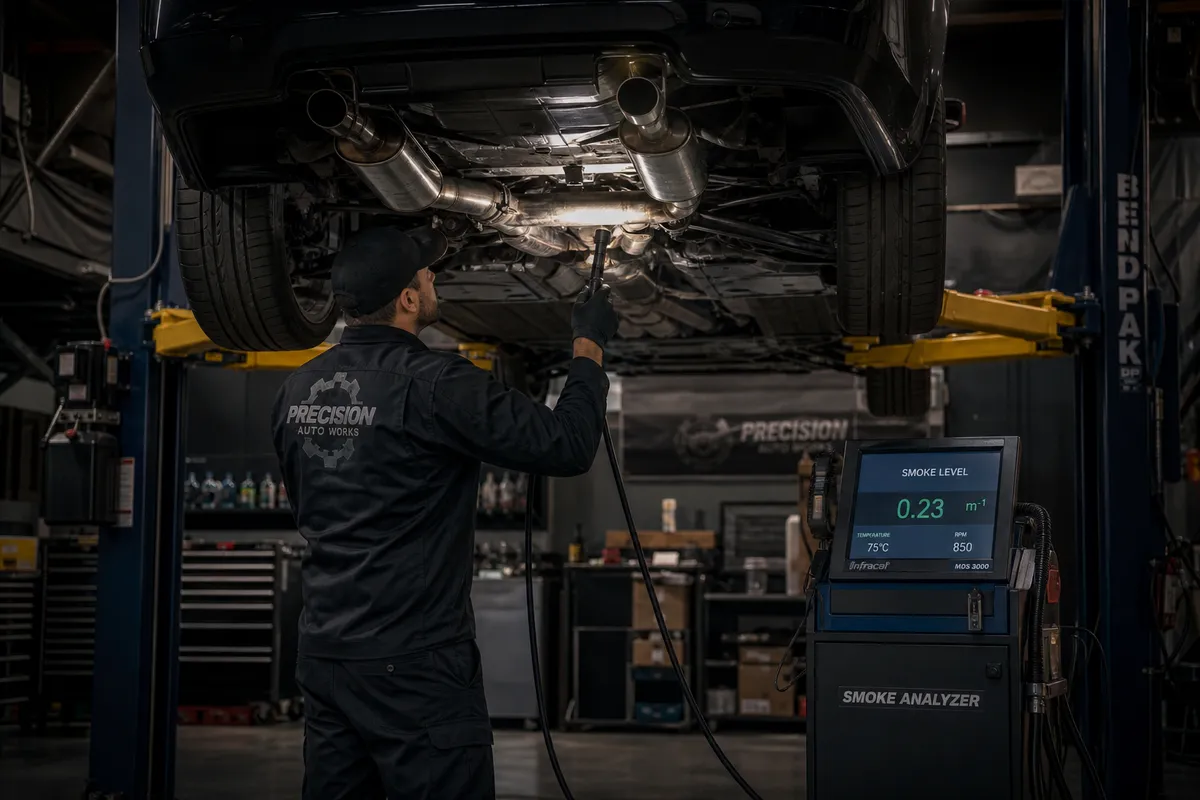
Error analysis generally progresses from broad module scans to targeted subsystem checks. On ephemeroidx.info, this staged method is presented to show how technicians narrow possibilities without rushing decisions.
Entries such as historical code, pending status, and active recurrence create a timeline that informs next steps. This timeline supports disciplined troubleshooting and clearer communication with service teams.
Educational framing encourages questions about test order, not assumptions about immediate component replacement.
Financial planning terms in diagnostics reports
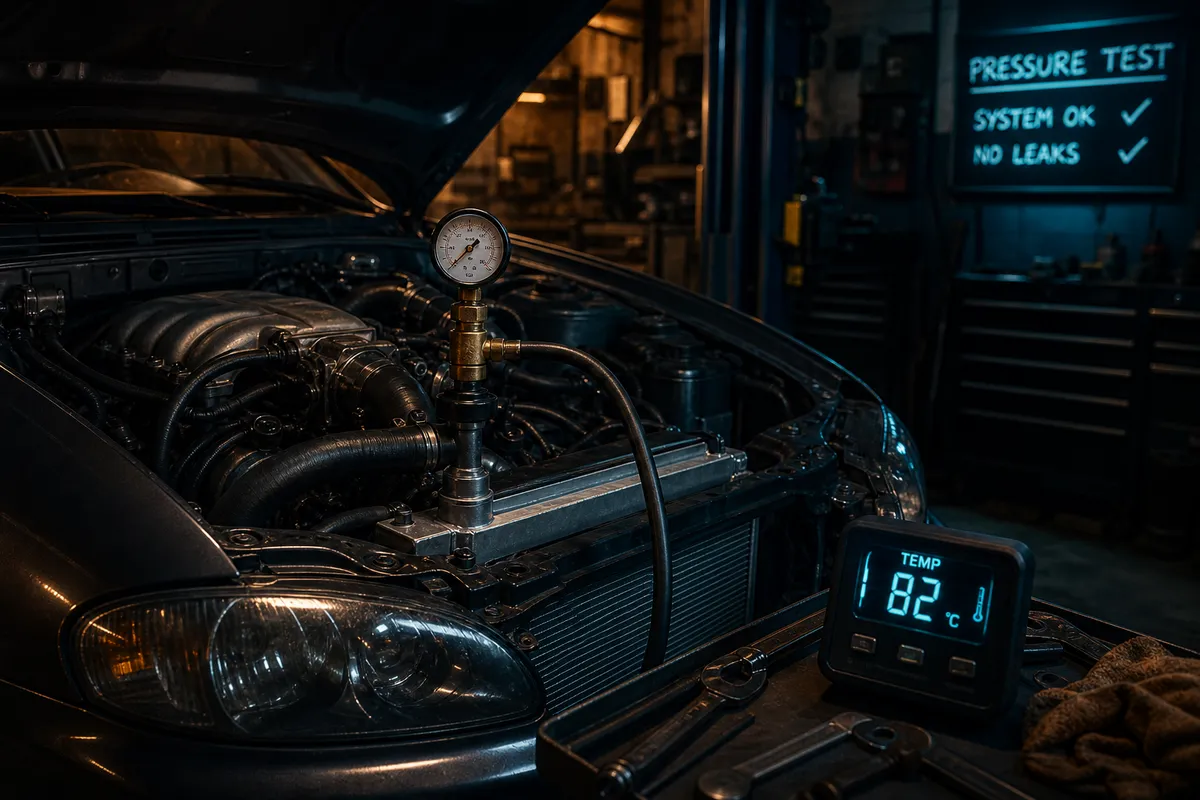
Diagnostics paperwork may include cost forecast, labor allocation, software update allowance, and deferred test schedule. On ephemeroidx.info, these terms are explained as planning vocabulary used to organize service pathways.
Separating initial scan work from extended verification windows can help owners and coordinators understand timing and documentation needs. Planning language serves transparency and scheduling, not promised outcomes.
When budgets are discussed, reports remain tied to measured findings and authorized procedures.
AI-assisted writing and quality controls
The editorial team on ephemeroidx.info may use AI tools to draft first-pass explanations for technical abbreviations and data table captions. Human editors validate every technical statement against workshop references before publication.
This hybrid workflow improves readability while preserving factual control. AI output is treated as draft material and is never published without manual review and revision.
Publishing notes mention this process so readers know where automation assists and where human expertise governs final content.
Key takeaways
Computer diagnostics education on ephemeroidx.info teaches readers to interpret scan reports, adaptation records, and code timelines in a careful, neutral manner. The material integrates planning vocabulary and editorial transparency while leaving all mechanical actions to qualified professionals.
A structured understanding of diagnostics can make workshop discussions clearer and documentation easier to follow across repeated service visits.