ephemeroidx logo 48x48 ephemeroidx
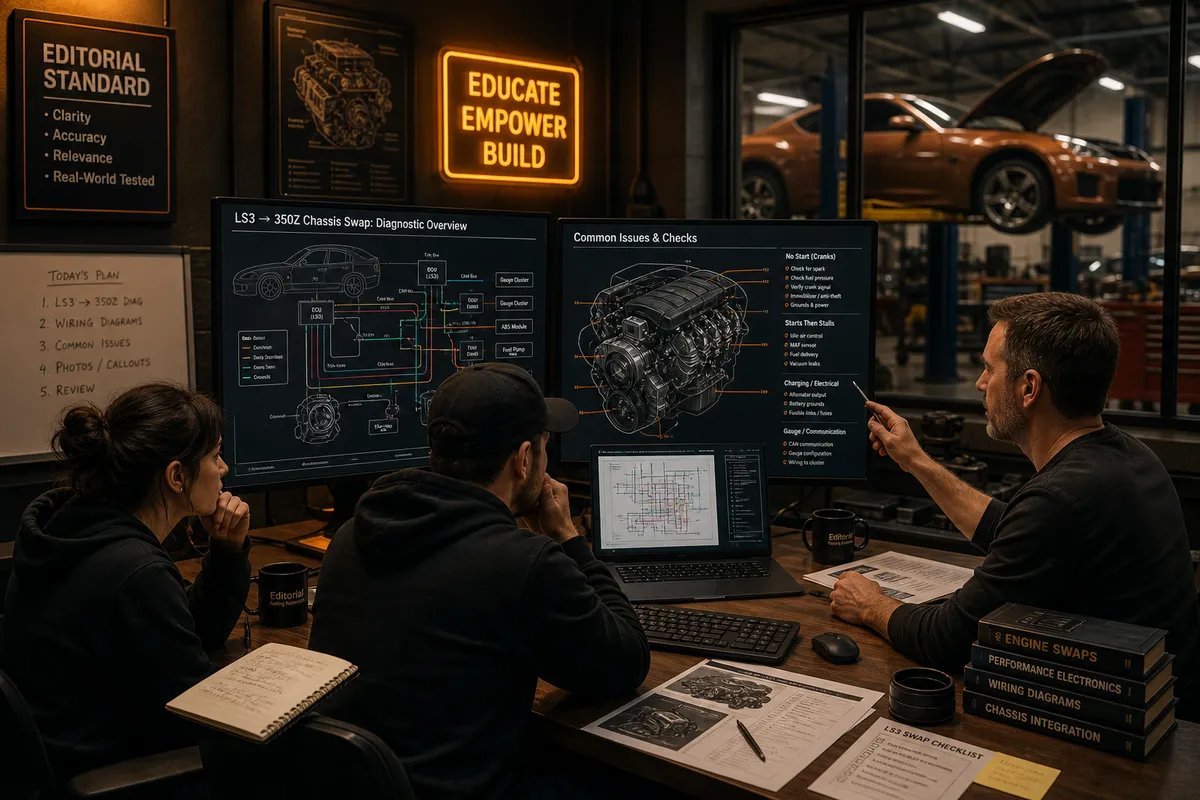
Editorial team reviewing vehicle verification content in dark workspace

About the editorial platform

ephemeroidx — monitoring vehicle operation after a new engine installation

The platform is dedicated to diagnosing and verifying a vehicle after major repair or engine replacement. The platform is educational: we explain terminology, process mapping, and documentation logic for post-engine replacement verification scenarios.

Editorial timeline

How the platform evolved from internal notes into a public educational reference library.

2019 — Foundation stage

Converting workshop notes into educational language

The first internal drafts were created to help non-technical coordinators understand post-installation terminology, including compression checks, adaptation logs, and cooling behavior comments. These drafts were text-heavy and lacked consistency, but they established the need for practical education that respects professional service boundaries. Early readers asked for examples that linked technical labels with plain-language explanations, and this feedback became the basis for our structured glossary format.

2021 — Structured curriculum

Ten topic map with repeatable section design

The project expanded into ten recurring topics aligned with typical post-engine replacement verification workflows. Every module adopted a repeatable sequence: purpose, key terms, reading strategy, planning vocabulary, and follow-up context. This approach reduced ambiguity and made updates easier when service report templates changed. Contributors introduced review checkpoints for terminology neutrality and avoided wording that could be misunderstood as direct mechanical instruction.

2024 — AI-assisted drafting integration

Editorial acceleration with human approval controls

Artificial intelligence tools were integrated for outline drafting and terminology clustering. AI helps identify repeated concepts across long technical references and speeds up first-pass structure, but it does not publish content independently. Human editors validate technical context, rewrite for safety-oriented neutrality, and verify that financial planning vocabulary remains informational. Publication remains a manual decision with quality checks and source comparison before release.

Today — Public reference portal

Educational library for coordinated communication

The current portal serves vehicle owners, fleet support teams, and workshop communication staff who need to interpret post-engine replacement documentation with precision. Content updates are scheduled around report-format changes, emerging terminology patterns, and community questions. The educational scope remains stable: clarify language, explain process context, and encourage informed communication with licensed professionals.

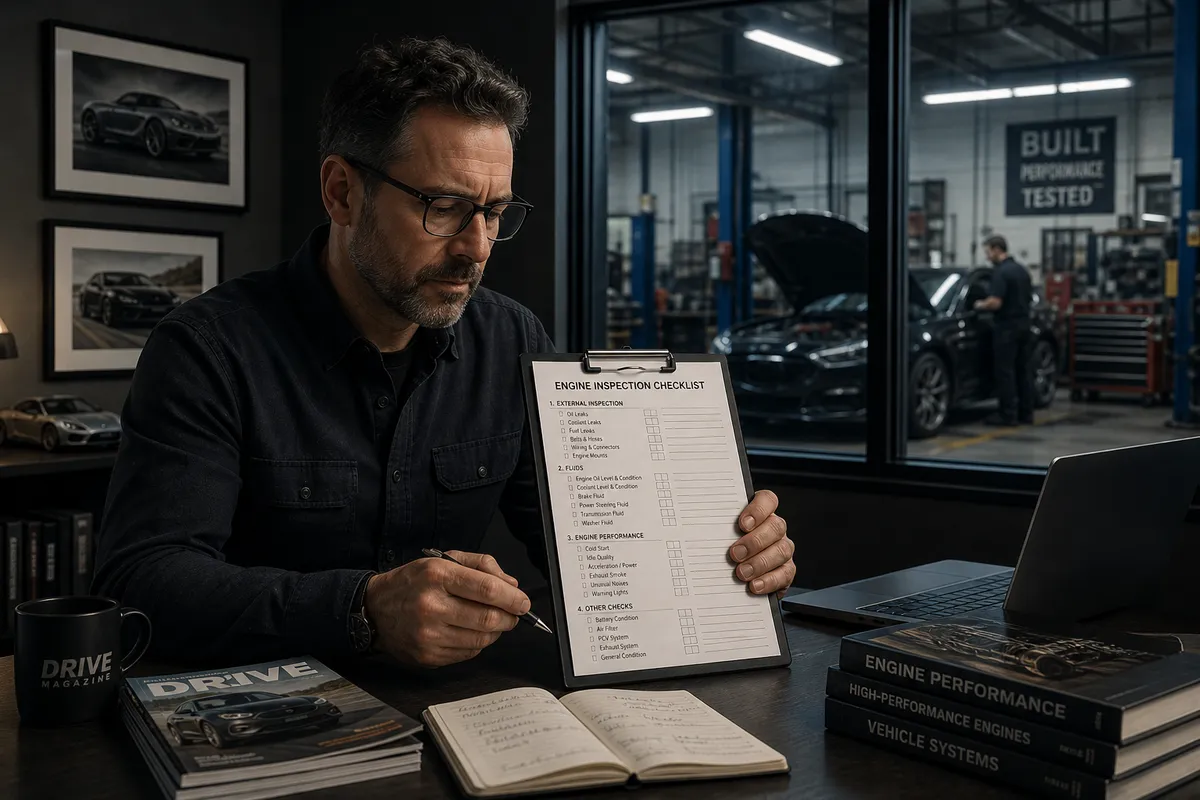
Editor checking vehicle verification documents and AI-drafted notes

Editorial process and AI usage policy

Every major article follows an evidence-first editorial cycle: concept framing, source mapping, terminology calibration, and audience readability checks. AI may generate a first draft outline or suggest section ordering, but no AI output is considered final until manually reviewed by an editor with subject context. This separation between automation and publication helps maintain accurate scope and clear boundaries for educational content.

Our team tracks where AI contributes in order to keep the process transparent for readers. If a section started from AI-assisted drafting, editors cross-check technical statements against reference material and adjust wording to avoid implied outcomes. We treat AI as a writing assistant for educational structure, not as an authority on vehicle condition. Human oversight controls final inclusion, revision, and publication timing.

Financial planning vocabulary appears in modules because many readers handle service scheduling and budget communication. Terms such as allocation window, contingency reserve, and phased maintenance plan are presented as neutral document language. The content explains how these terms are used in planning contexts without claiming performance or repair outcomes.

  • Human editorial review is mandatory before publication.
  • AI-assisted text is revised for neutral educational boundaries.
  • Modules emphasize interpretation literacy, not repair directives.
  • Planning vocabulary is included for communication clarity.

Editorial values

The values below guide both technical writing and educational design.

Neutral language

We describe terms, sequences, and document context without promotional framing or certainty language.

Traceable process

Readers can see how sections move from source notes through editorial checks and publication updates.

Safety context

Educational material reminds readers to confirm safety-critical decisions with qualified professionals.

Continuous revision

Modules are revised when report formats, terminology usage, or reader needs change.

Partner ecosystem

Our educational references are informed by discussions with independent training groups, service communication specialists, and documentation coordinators. These relationships support terminology accuracy and instructional clarity. They do not imply endorsements, ranking, or service outcomes.

Partner feedback influences readability priorities, especially where technical data and financial planning language overlap in real maintenance workflows.

Midwest Verification Literacy Network

Terminology harmonization workshops

Detroit Service Documentation Group

Report readability and handoff notes

Powertrain Education Roundtable

Engine replacement process mapping

Automotive Data Literacy Forum

Scan report interpretation standards

Audience profile and usage stats

Readers include private vehicle owners, fleet assistants, service advisors in training, and operations teams who need educational support for post-engine replacement verification documents. Most readers arrive after receiving technical paperwork they want to interpret accurately before discussing next steps with licensed technicians.

Our analytics show that users spend the most time on glossary sections and workflow timelines. This pattern confirms the value of neutral explanations that connect technical terms to communication tasks and planning documents.

71%

Readers managing one or two vehicles

52%

Use planning vocabulary modules monthly

89%

Read timeline guides before service follow-up

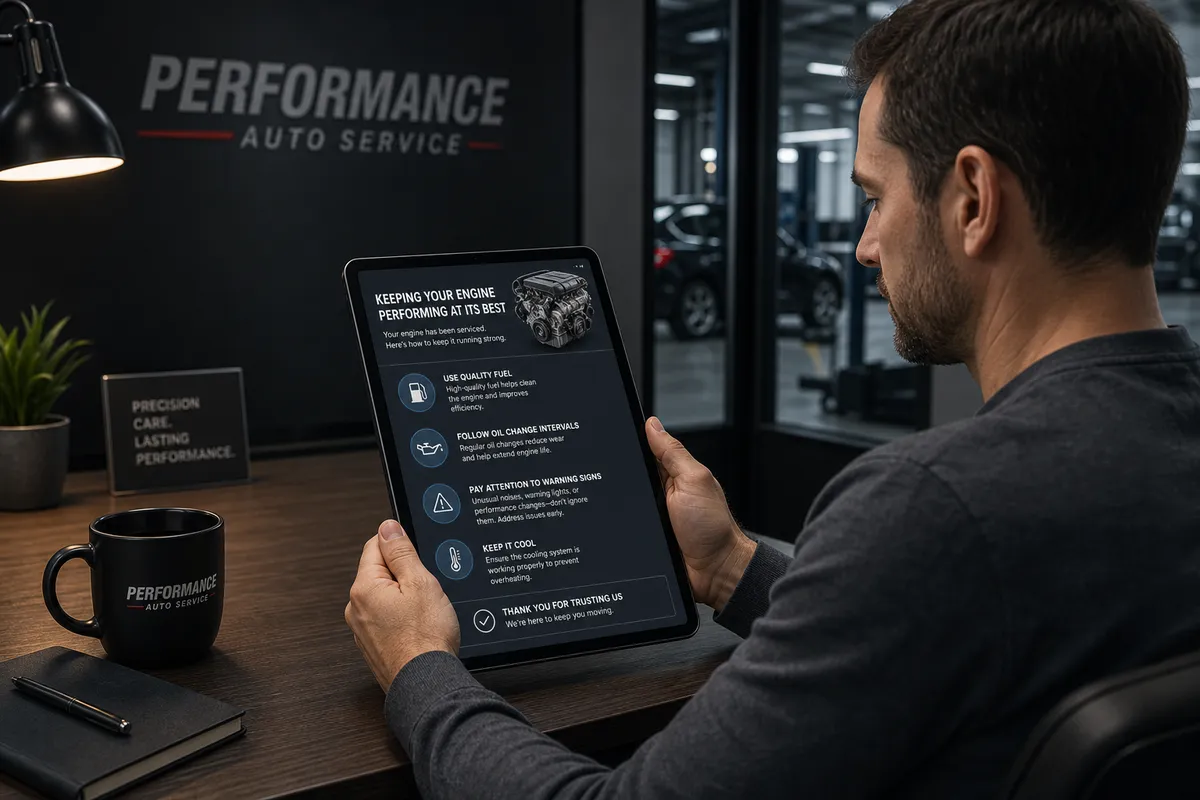
Reader studying educational vehicle verification material on tablet

Need clarification on a module?

Send your question to the editorial team and include the term or section title you are reviewing. We respond with educational context and source-oriented guidance.

Go to contact page

Continue with resource articles

Read long-form educational guides that break down verification workflows, diagnostics terminology, and planning language after a completed engine replacement.

View resources

Important information about site materials

ephemeroidx provides educational reference material about vehicle verification after engine replacement or major powertrain repair. Published modules describe learning formats for engine inspection vocabulary, computer diagnostics fields, sensor monitoring notes, cooling system documentation, exhaust verification procedures, electronics control terminology, fault code analysis, safety checklist categories, operating parameter logs, and practical recommendation outlines. Editorial review cycles apply; however, manufacturer specifications, shop report formats, and required document lists may change without advance notice.

Technical relationships vary by model year, engine variant, calibration file, prior service history, and regional emissions requirements. Use site materials at your own responsibility. The company, editors, and technical contractors do not assume obligation to compensate consequences arising from reliance on published wording without professional verification. Before authorizing service at a licensed repair facility, confirm details against primary documents and qualified technicians.

Decisions about repairs, parts selection, calibration updates, or vehicle deployment remain your responsibility. ephemeroidx is not liable for damage that may arise from applying described methods without professional supervision. For safety-critical systems — brakes, steering, restraints, fuel delivery, and high-voltage components — we recommend evaluation by qualified personnel.

References to partner workshops or external resources are provided for navigation convenience; they do not describe specific outcomes and do not constitute endorsement of commercial services. Mentioned system names and technology labels serve editorial context and do not imply affiliation with or approval by vehicle manufacturers.